Blog
Minimalist Japanese-inspired furniture

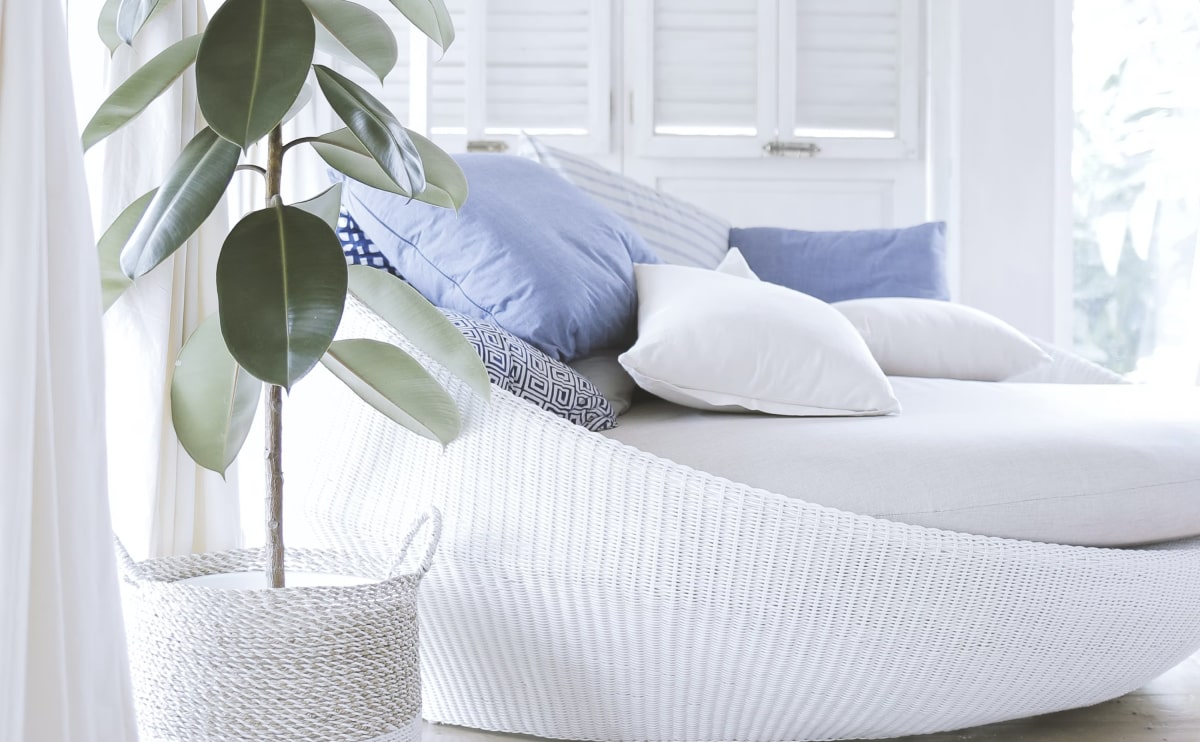
Minimalist Japanese-inspired furniture is rooted in simplicity, balance, and a deep respect for craftsmanship. It reflects a philosophy where less is more — not as a trend, but as a way of living. Clean lines, natural materials, and purposeful design come together to create spaces that feel calm, grounded, and intentional.
The Philosophy Behind the Design
Japanese minimalism is influenced by principles such as wabi-sabi (finding beauty in imperfection) and ma (the importance of negative space). Furniture is not meant to dominate a room but to exist harmoniously within it. Every piece serves a purpose. Nothing is excessive. Nothing is purely decorative without meaning.
This approach creates interiors that feel open, breathable, and emotionally balanced.
Low-Profile Silhouettes
One of the defining characteristics of Japanese-inspired furniture is its low height. Platform beds, floor seating, and low coffee tables create a strong connection to the ground. This design choice makes rooms feel more expansive and serene.
Low-profile furniture also encourages a slower pace of living. It subtly shifts posture and perspective, reinforcing a sense of calm and presence.
Natural Materials
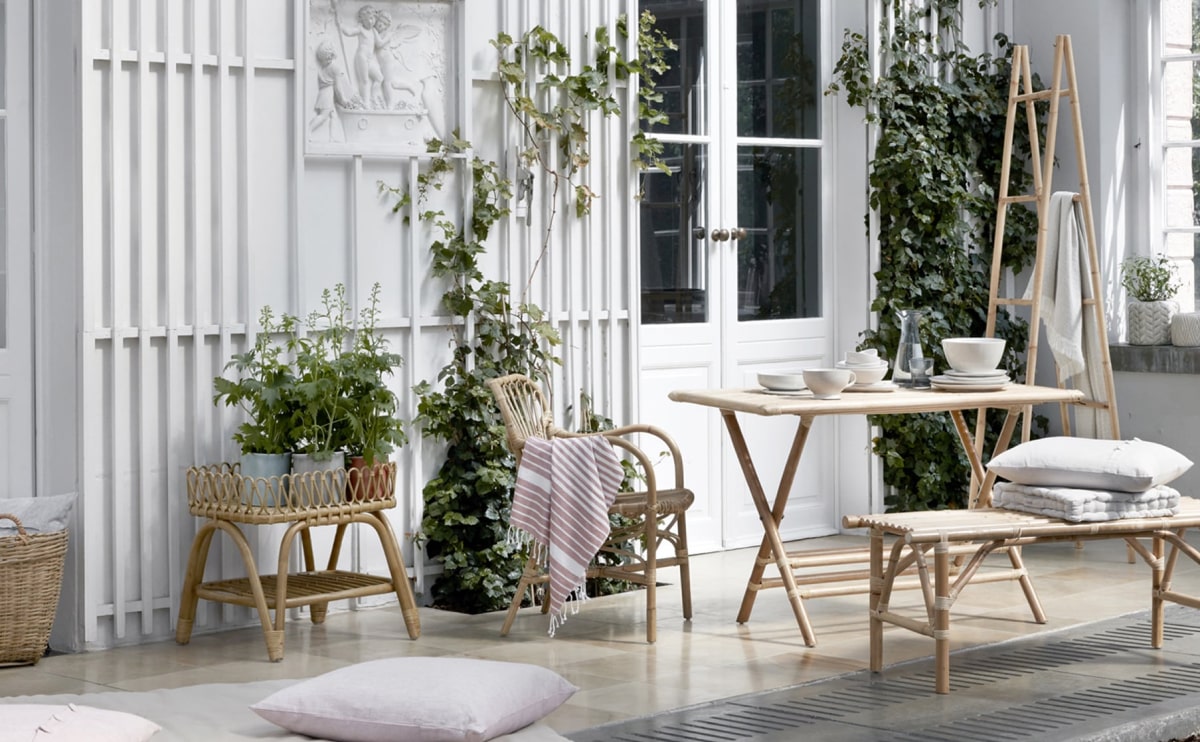
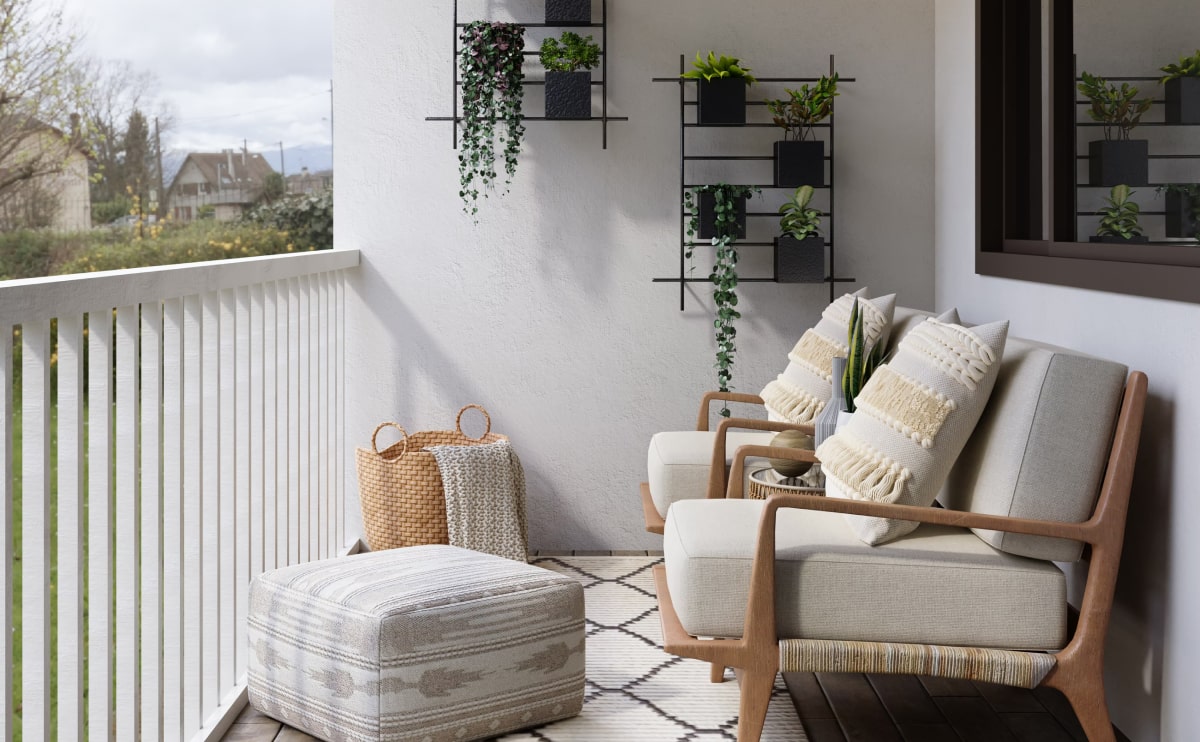
Material choice is central to the aesthetic. Solid wood — especially oak, ash, cedar, or walnut — is often left in its natural tone or lightly treated to preserve its texture and grain. Bamboo, linen, cotton, paper, and stone further enhance the organic feel.
The beauty lies in authenticity. Knots in wood, subtle variations in tone, and handmade details are embraced rather than concealed.
Clean Lines and Simple Forms
Japanese-inspired furniture avoids ornamentation. Edges are straight or gently rounded. Surfaces are smooth. Shapes are geometric but softened by natural materials. The focus is on proportion and craftsmanship rather than decorative detail.
A dining table might feature a solid wood slab with subtle joinery. A chair may have a simple wooden frame paired with a neutral fabric seat. The elegance comes from restraint.
Neutral Color Palette
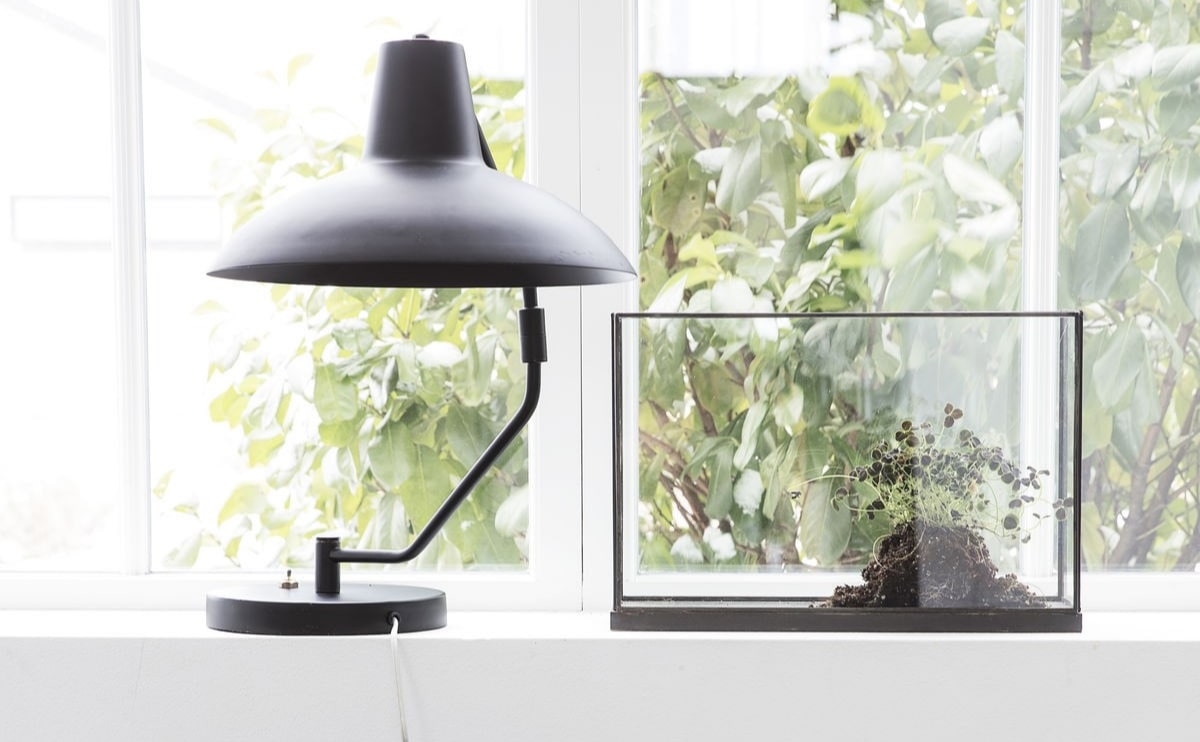
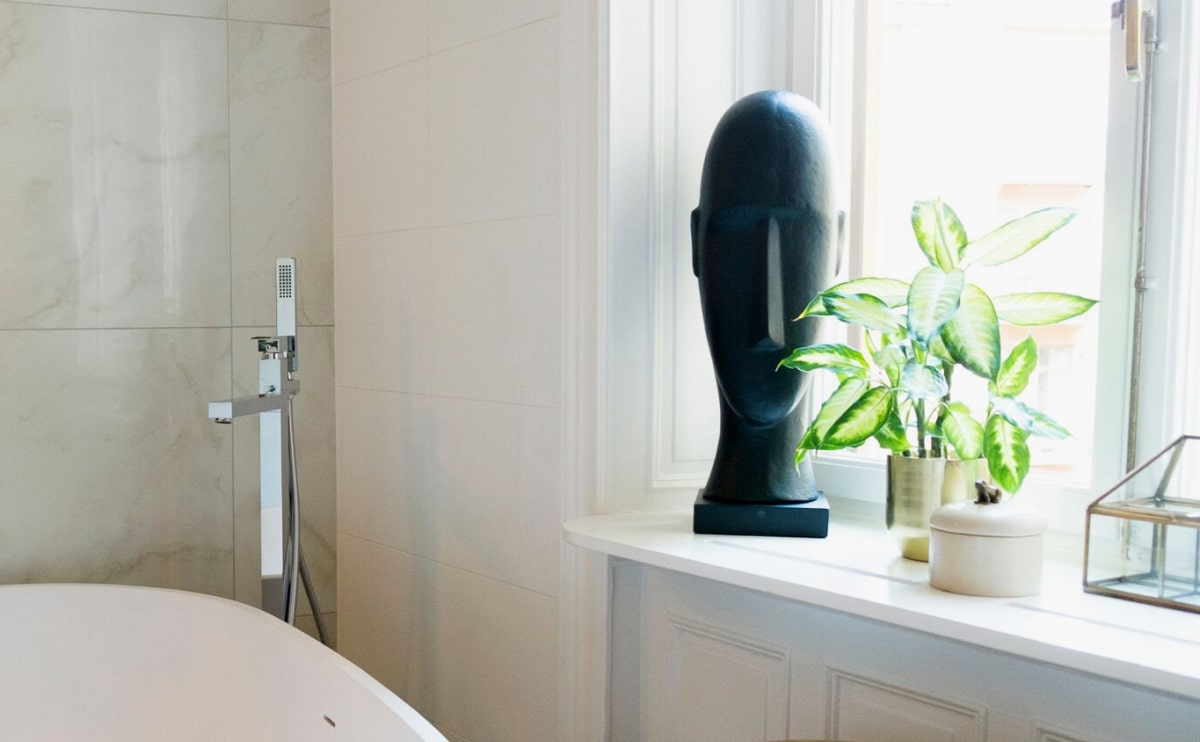
The color scheme is typically calm and understated — soft whites, warm beiges, muted grays, and natural wood tones. Black accents may be introduced for contrast, while greenery adds life without overwhelming the space.
This restrained palette enhances light and shadow, allowing materials and textures to stand out naturally.
Functional and Intentional Design
Every piece is designed with purpose. Storage is often integrated discreetly. Modular shelving systems maintain visual order. Multi-functional furniture supports uncluttered living.
In Japanese-inspired interiors, space is respected. Furniture placement allows for flow and openness. Negative space is not empty — it is intentional, giving the room room to breathe.
Connection to Nature
Bringing elements of the outdoors inside is a key principle. Furniture is often positioned to frame views of gardens or natural light. Shoji-inspired screens, sliding doors, and open layouts blur the boundary between interior and exterior.
Plants, natural textiles, and tactile materials strengthen this connection, creating a sense of harmony with the environment.
Timeless Appeal
Minimalist Japanese-inspired furniture is not trend-driven. Its simplicity ensures longevity. Because it avoids excess decoration and bold colors, it adapts easily to evolving tastes while maintaining its core identity.
It is furniture designed to last — both physically and aesthetically.
Final Thoughts
Minimalist Japanese-inspired furniture is more than a design style; it is a mindset. It values quality over quantity, intention over excess, and harmony over distraction.
By embracing clean lines, natural materials, and thoughtful simplicity, this approach creates spaces that feel peaceful, balanced, and deeply human.